Bio Septic Tank: How It Works, Price Factors and Where to Use It
If your home, farmhouse or site in Tamil Nadu has no underground drainage, you need a safe way to handle toilet waste. For years the answer was a brick septic tank that had to be emptied by a lorry every few months, with smell, cost and mess each time. A bio septic tank is a better option for many of these places. It uses bacteria to break down the waste inside a sealed tank, so it needs emptying far less often and gives off very little smell. This guide explains how a bio septic tank works, where it fits, what decides the price and how to choose one.
What is a bio septic tank?
A bio septic tank, also called a bio digester, is a sealed tank, usually made of FRP (fibre-reinforced plastic), that treats toilet waste using anaerobic bacteria. These bacteria work without oxygen. They break down human waste into water, a small amount of gas and a little residue. The treated water then flows out to a soak pit or a planted bed, and the tank keeps working with very little attention.
The idea is simple: instead of storing waste until a lorry takes it away, the tank treats the waste where it is produced.
How a bio septic tank works
1. Waste enters the first chamber
Toilet waste flows into the first compartment of the tank, where heavy solids settle.
2. Bacteria break down the waste
A special bacteria culture, added when the tank is first started, lives inside the chambers. These bacteria digest the organic matter and reduce it to water, methane and carbon dioxide.
3. Water moves through baffle chambers
Baffle walls inside the tank make the water travel slowly through several chambers. This gives the bacteria more time to work and keeps solids from flowing out.
4. Treated water leaves the tank
The clearer water leaves the last chamber and goes to a soak pit, a reed bed or a planted area. It should not be used for drinking or cooking.
Bio septic tank vs normal septic tank
A normal brick or concrete septic tank mainly stores and settles waste. It fills up, smells and needs regular emptying. A bio septic tank actively breaks the waste down, so:
- It needs emptying far less often.
- It has much less smell, because the tank is sealed and the waste is being digested.
- FRP tanks do not crack or leak like old brick tanks, so groundwater is safer.
- Installation is faster because the tank comes ready-made and is placed in a pit.
Bio septic tank vs sewage treatment plant (STP)
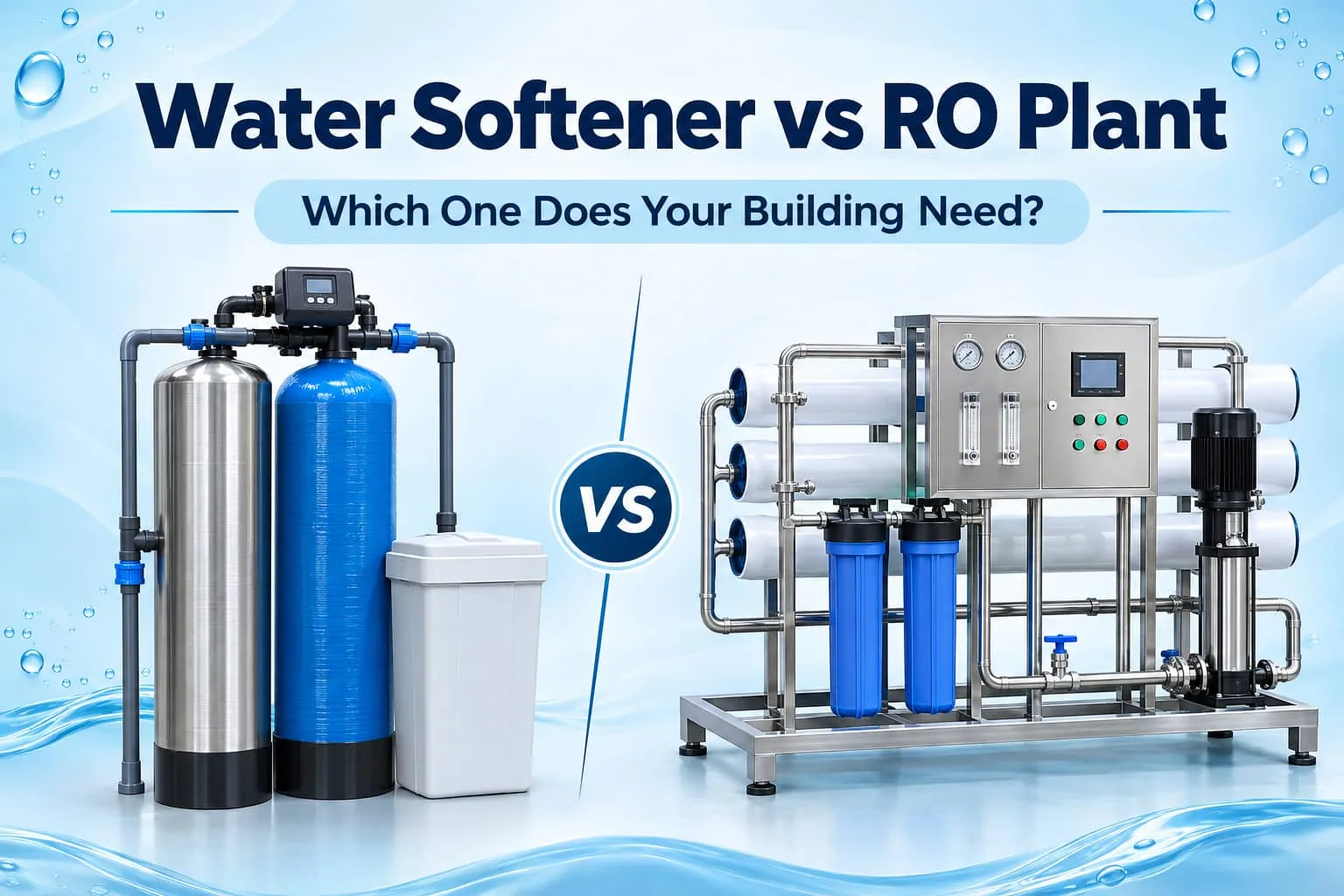
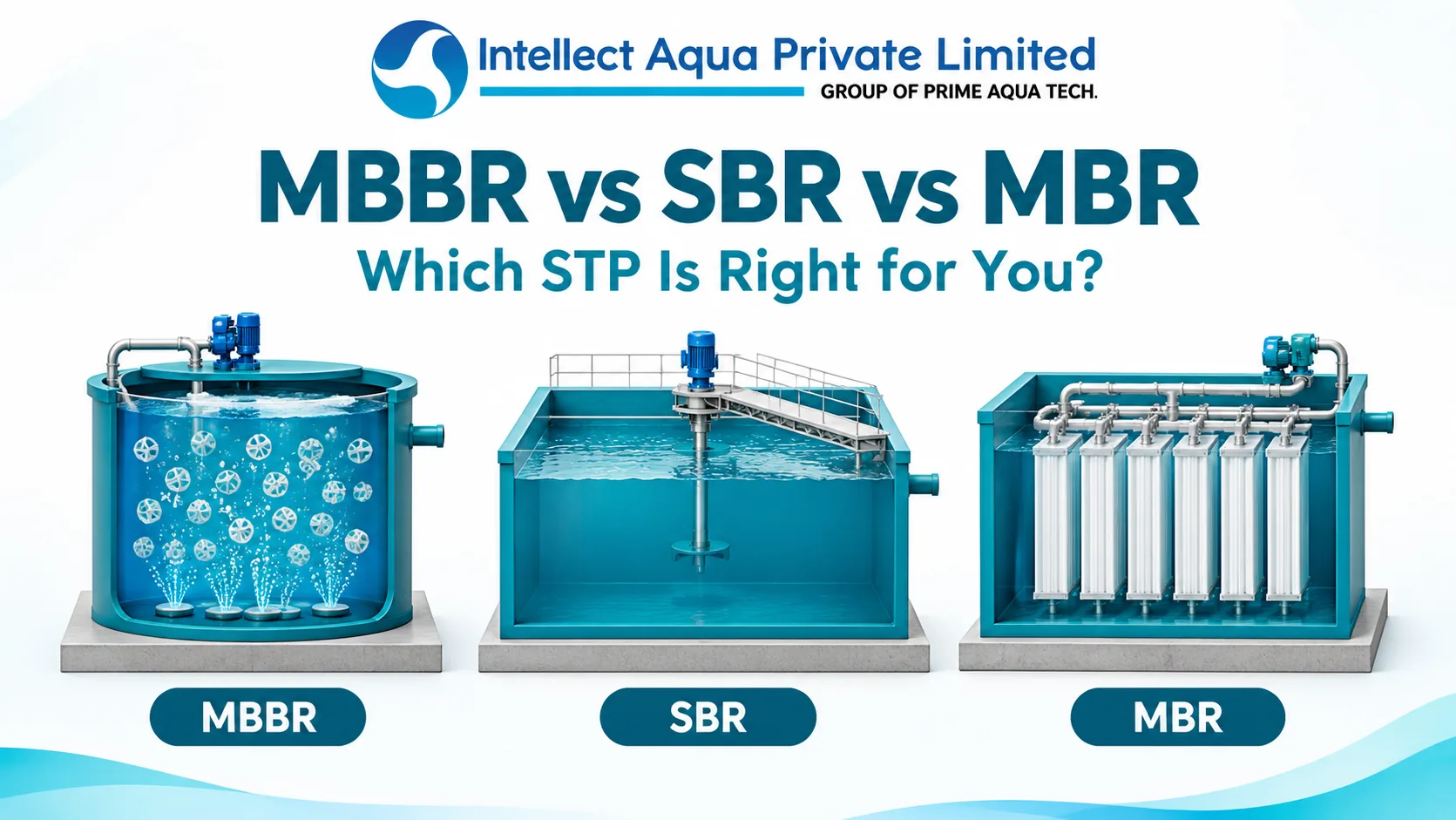
A bio septic tank and an STP do different jobs. A bio septic tank is best for small flows where there is no drainage line: individual houses, farmhouses, small offices, construction sites and remote toilets. A sewage treatment plant is needed when the flow is large, as in apartments, hospitals, hotels and factories, or when the treated water has to meet Pollution Control Board norms and be reused for flushing and gardening.
If you are not sure which one your building needs, the number of people using it and the local rules usually decide it.
Where a bio septic tank works well
- Individual houses and villas without underground drainage
- Farmhouses and weekend homes
- Schools, temples and community toilets in rural areas
- Construction sites and labour camps
- Petrol bunks, highway restaurants and toll plazas
- Factories that need a separate toilet block away from the main STP
What decides the price of a bio septic tank
There is no single price, because each site is different. The main factors are:
- Capacity: how many people will use it every day. More users need a larger tank or more chambers.
- Tank material and thickness: good FRP tanks cost more but last longer and do not leak.
- Bacteria culture: a proper, tested culture is needed for the tank to work. Cheap tanks sometimes skip this.
- Excavation and site work: rocky soil, high water table or tight spaces add to the cost.
- Outlet arrangement: a soak pit, reed bed or connection to a drain changes the final cost.
- Transport and installation: distance from the supplier and access to the site matter.
Ask for a quote that lists all these items, so you can compare suppliers fairly.
How to maintain a bio septic tank
A bio septic tank needs much less care than a normal septic tank, but it is not maintenance-free:
- Do not pour phenyl, acid, bleach or strong toilet cleaners in large amounts. They kill the bacteria.
- Do not flush plastic, sanitary pads, cloth or cigarette butts.
- Use mild cleaners, and keep the vent pipe open.
- Have the tank checked once a year, and top up the bacteria if the supplier recommends it.
How to choose a bio septic tank supplier
- Ask how they calculated the size for your number of users.
- Check the FRP thickness and the warranty on the tank.
- Make sure the bacteria culture is included and explained.
- Ask who will install it and who will help if there is a problem later.
- Visit or call one of their earlier customers if you can.
Intellect Aqua supplies and installs bio septic tanks for houses, farms, schools and sites across Tamil Nadu, along with sewage treatment plants for larger buildings.
FAQs
1. Does a bio septic tank need to be emptied?
It needs emptying far less often than a normal septic tank, because the bacteria break down most of the waste. A small amount of residue builds up over the years and should be checked during the annual inspection.
2. Does a bio septic tank smell?
A well-installed bio septic tank with a working vent pipe gives off very little smell. Bad smell usually means the bacteria have been killed by strong chemicals or the vent is blocked.
3. Can I use phenyl or toilet cleaner with a bio septic tank?
Use mild cleaners in small amounts. Strong acids, bleach and large amounts of phenyl kill the bacteria and stop the tank from working properly.
4. Is the water from a bio septic tank safe to reuse?
The outlet water is treated but not to drinking standards. It should go to a soak pit, reed bed or garden area, not into tanks for drinking, cooking or bathing.
5. Is a bio septic tank enough for an apartment?
For apartments and large buildings, a sewage treatment plant is usually required. A bio septic tank is best for individual houses, small offices and sites with low flow.
Get the right size for your site
Tell us how many people will use the toilets and where the site is, and we will suggest the right bio septic tank or STP for you. Contact Intellect Aqua or call +91 95859 75551.