Advanced Membrane Bioreactor Technology for Wastewater Treatment
Intellect Aqua Private Limited offers high-performance MBR Sewage Treatment Plants (Membrane Bioreactor Systems) designed to provide superior wastewater treatment in a compact footprint.
Membrane Bioreactor (MBR) technology combines a biological treatment process with membrane filtration, enabling extremely high removal efficiency of contaminants such as BOD, TSS, nitrogen, phosphorus, and bacteria.
Compared to conventional wastewater treatment systems, MBR technology requires less space, delivers higher effluent quality, and supports water reuse applications.
What is MBR Technology?
The Membrane Bioreactor (MBR) is an advanced wastewater treatment technology that integrates:
- Suspended growth biological treatment
- Membrane filtration for solids separation
In conventional activated sludge systems, solids are separated using secondary clarifiers and sand filters. In MBR systems, however, microfiltration membranes replace these components, allowing much finer filtration and higher treatment efficiency.
Membrane filtration enables higher biomass concentration in the bioreactor, which significantly reduces reactor size while improving treatment performance.
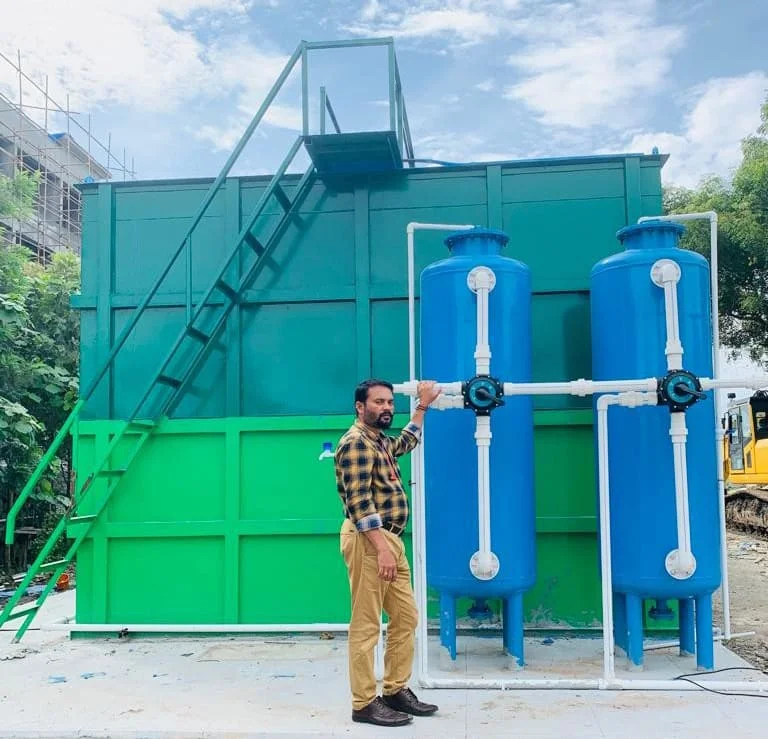
Applications of MBR Sewage Treatment Plants
MBR systems are widely used in:
- Residential Apartments
- Hotels and Resorts
- Hospitals
- Commercial Complexes
- Educational Institutions
- Industrial Wastewater Treatment
- Municipal Sewage Treatment Plants
- Water Reuse and Recycling Projects
The high-quality treated water produced by MBR systems makes them ideal for reuse applications such as landscaping, flushing, cooling towers, and irrigation.
MBR Treatment Process
The MBR wastewater treatment process provided by Intellect Aqua Private Limited typically includes the following stages.
- Wastewater passes through fine screening systems (typically 1–3 mm screens) to remove debris and protect the membranes from damage.
- The wastewater enters a biological reactor where microorganisms break down organic pollutants and nutrients.
- The treated water passes through microfiltration membranes that separate solids and microorganisms from the treated water.
- Water that passes through the membrane is called permeate, while the remaining concentrated wastewater is called retentate.
- The permeate collected after filtration is high-quality treated water suitable for discharge or reuse.
1. Pretreatment
2. Biological Treatment
3. Membrane Filtration
4. Treated Water Collection
Membrane Filtration Technology
MBR systems use polymer-based membranes designed to prevent the passage of particles larger than about 1 micron, ensuring effective removal of microorganisms and suspended solids.
The two most common membrane configurations used in MBR systems include:
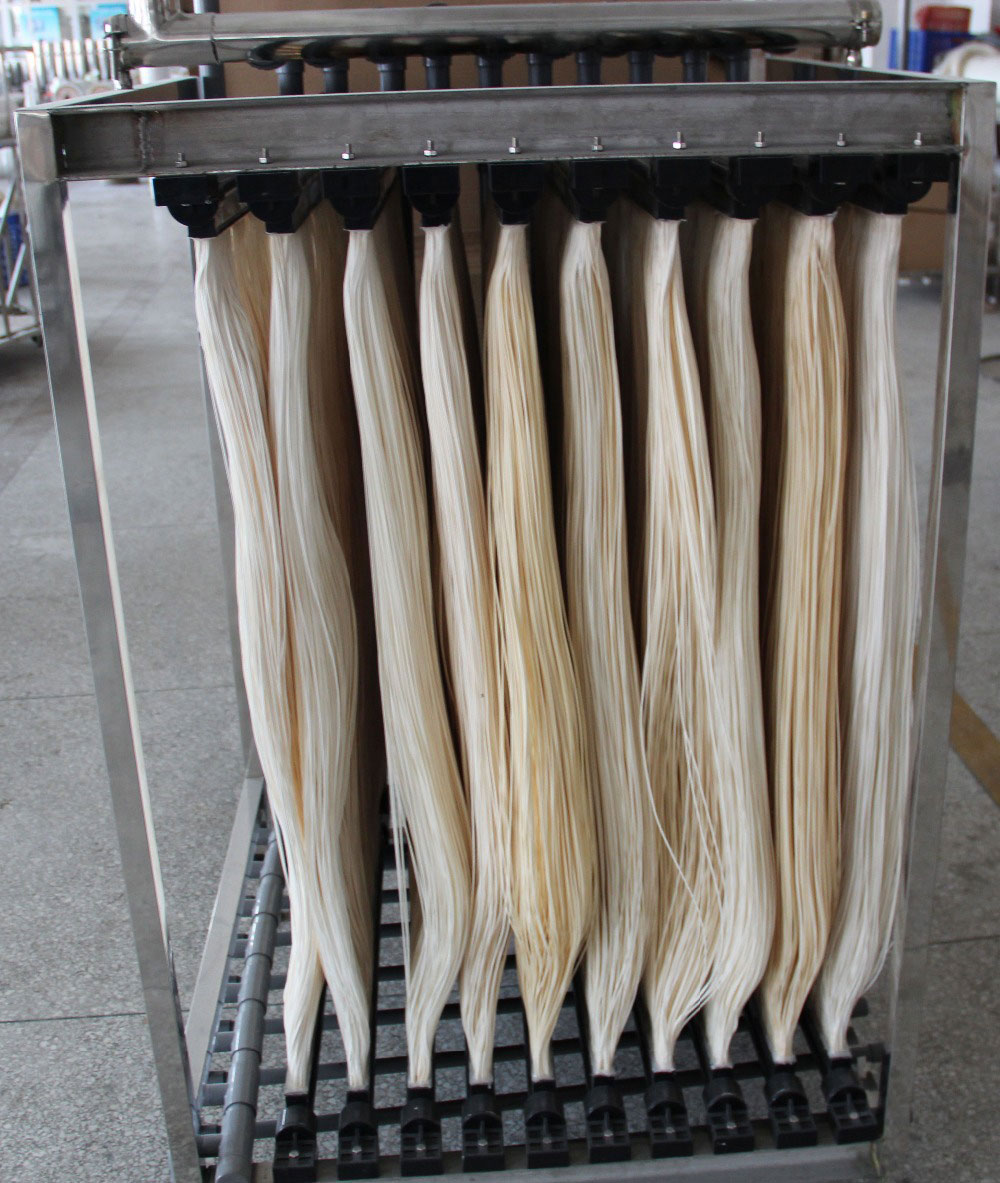
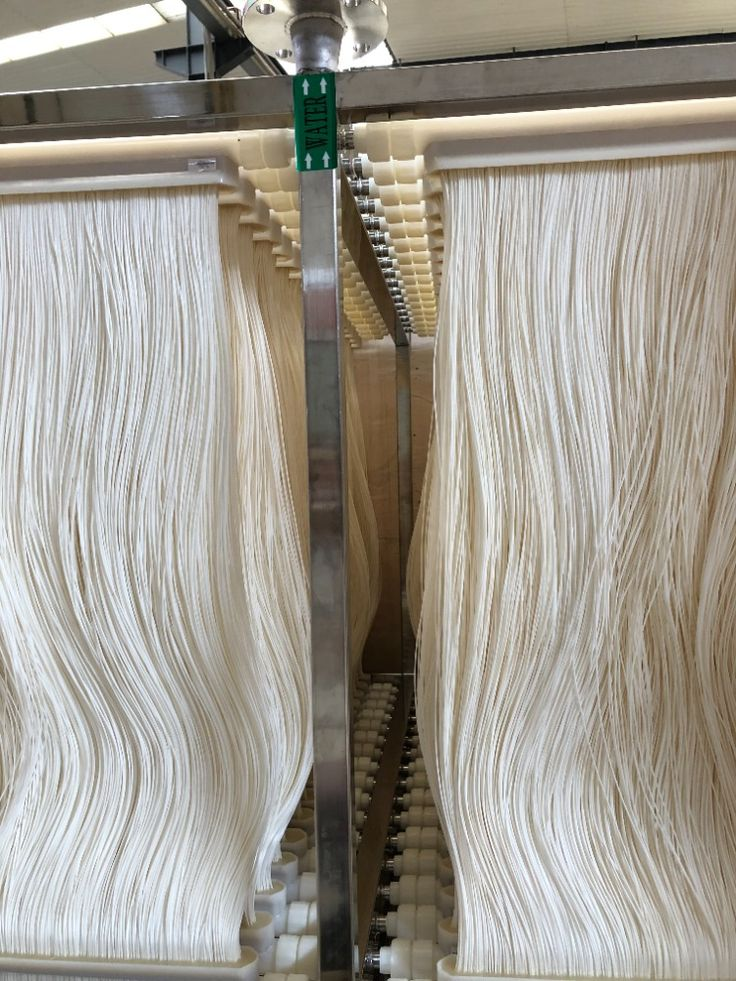
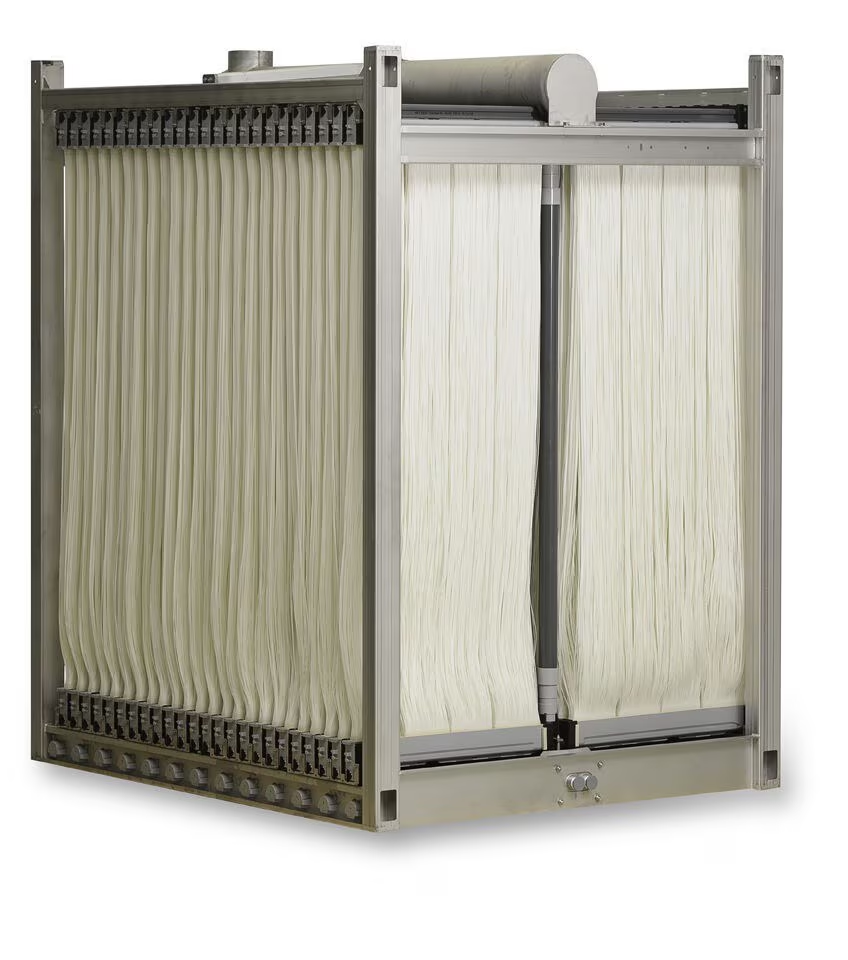
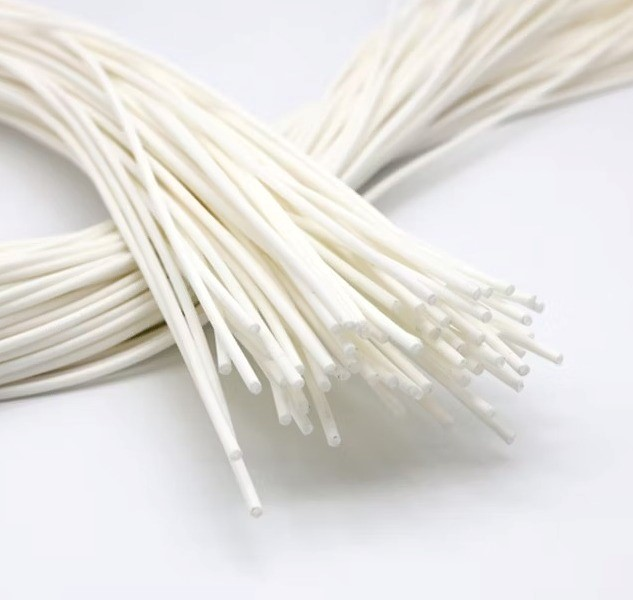
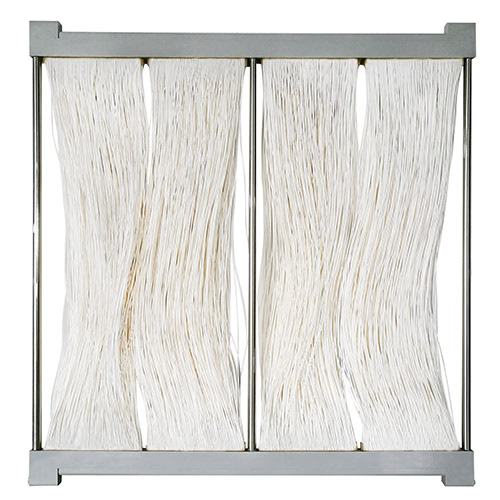
- Bundles of small hollow fibers grouped together to form filtration units. These systems are widely used due to their high filtration capacity and compact design.
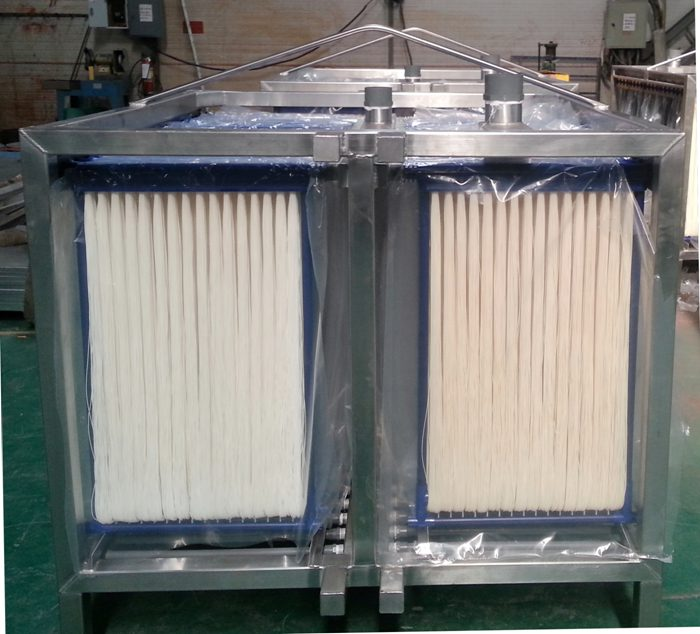
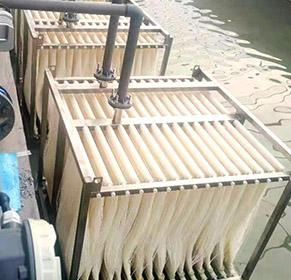
- Membranes arranged in flat plate modules connected through manifolds, allowing easy maintenance and replacement.
Hollow Fiber Membranes
Flat Plate Membranes
MBR System Configurations
MBR plants can be designed in two main configurations:
Immersed Membrane System
The membrane modules are placed directly inside the biological reactor tank.
External Membrane System
Membrane modules are located in a separate vessel and mixed liquor from the biological reactor is circulated through the membranes.
Both systems provide high treatment efficiency and operational flexibility.
Design Considerations for MBR Systems
When designing an MBR Sewage Treatment Plant, the following factors are considered:
- Influent wastewater characteristics
- Effluent discharge standards
- Daily and peak flow rates
- Nutrient removal requirements
- Space availability
For improved operational flexibility, many systems follow the “N + 1 design concept”, where an additional membrane unit is installed to ensure continued operation during maintenance.
Operation and Maintenance
MBR systems require controlled operation to maintain membrane efficiency and extend membrane life.
Air Scouring
Air is continuously supplied around the membranes to prevent solids buildup on the membrane surface.
Back Pulsing
Some systems periodically pump treated water back through the membranes to clear blocked pores.
Chemical Cleaning
Mild cleaning chemicals such as:
- Sodium hypochlorite (bleach)
- Citric acid
These are used periodically to maintain membrane performance. Proper maintenance can significantly extend membrane life and reduce operating costs.
Downstream Sludge Handling
The solids retained by the membranes remain in the biological reactor, increasing the biomass concentration. Excess sludge is periodically removed and processed using standard sludge handling methods such as:
- Sludge thickening
- Dewatering
- Disposal or reuse
Advantages of MBR Wastewater Treatment Systems
- Compact design requiring less land area
- Superior treated water quality
- High removal efficiency of BOD, TSS, and nutrients
- Ideal for water reuse applications
- Reduced sludge production
- Automated operation and monitoring
- Flexible system design for various capacities
Why Choose Intellect Aqua Private Limited for MBR STP?
Intellect Aqua Private Limited delivers customized MBR Sewage Treatment Plants designed to meet stringent environmental standards.
Our Services Include:
- Wastewater Treatment Plant Design
- Engineering and Manufacturing
- Supply and Installation
- Automation and Control Systems
- Plant Commissioning
- Operation and Maintenance Support
Our MBR systems are designed to deliver reliable performance, long membrane life, and high-quality treated water.